Introduction Managing money on a consistent monthly salary is straightforward, but saving money on a variable income—like freelancing, commission-based sales, or small business ownership—presents a unique set of challenges. An emergency fund is non-negotiable for financial security, acting as a cushion when low-earning months hit. Building one requires a strategy tailored to fluctuating revenue.
Step 1: Calculate Your Baseline Survival Number Before deciding how much to save, identify your absolute minimum monthly living cost. This is your “Baseline Survival Number,” which covers essential expenses only:
-
Rent and basic utilities
-
Basic grocery expenses
-
Transport and minimum debt obligations
-
Essential health costs
Subtract discretionary spending—like eating out or entertainment—from this number. Your initial target is saving three months’ worth of this baseline figure, not your total average spending.
Step 2: Implement the Hill-and-Valley Strategy When earnings fluctuate, manage your cash flow using the “Hill-and-Valley” method:
-
High Months (Hills): When you earn above your average income, cap your spending at your baseline number. Deposit 70% of the surplus directly into your emergency fund and allocate 30% to short-term savings or business reinvestment.
-
Low Months (Valleys): Draw only what is necessary from your buffer to match your baseline expenses, keeping your lifestyle consistent without incurring high-interest debt.
Step 3: Keep the Funds Accessible, Not Idle Your emergency fund must be liquid, but leaving it in a standard checking account makes it vulnerable to impulse spending. Place it in a high-yield savings account (HYSA) or a low-risk money market account that allows withdrawal within 24 to 48 hours while earning compound interest.
Conclusion Building a financial safety net on an unpredictable income isn’t about saving massive sums at once; it’s about discipline during high-revenue cycles. By establishing your baseline expenses and managing cash flow systematically, you protect your long-term stability against unexpected income drops.
Article Blueprint 2: Technology & Digital Tools
Topic Title: 5 Digital Security Habits That Protect Your Personal Data in 2026
Body Content:
Introduction As digital services integrate further into daily routines, managing online privacy has evolved from a technical niche into an essential life skill. Automated phishing, data breaches, and session hijacking are increasingly sophisticated. Implementing foundational digital hygiene habits significantly reduces risk without complicating daily workflows.
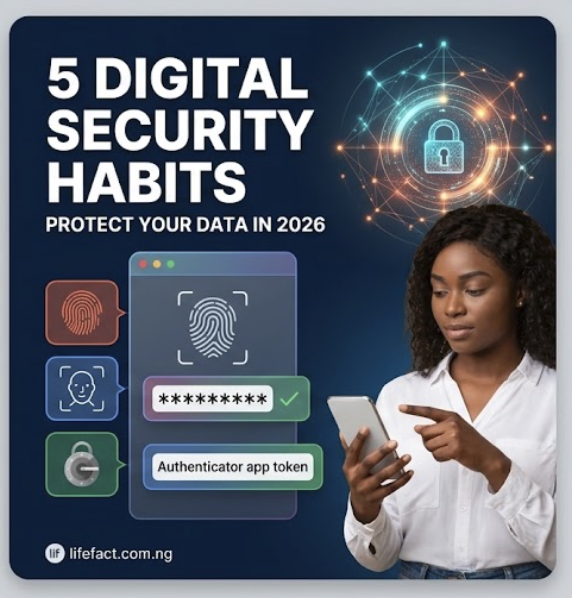
1. Replace Master Passwords with Dedicated Password Managers Reusing simple passwords across multiple platforms remains a primary cause of account compromises. Transition to a dedicated password manager to generate and store complex, 16-character strings for every service. Enable biometric unlock (fingerprint or face recognition) for seamless daily access.
2. Shift from SMS to Authenticator Apps SMS-based two-factor authentication (2FA) is susceptible to SIM-swapping attacks. Upgrade security across sensitive accounts (email, banking, and social media) by switching to time-based one-time password (TOTP) authenticator apps or hardware security keys.
3. Perform a Quarterly App Authorization Audit Over time, users grant third-party applications permission to access Google accounts, social profiles, and phone contacts. Conduct a quarterly review of connected applications and revoke access for tools you no longer actively use:
-
Google: Go to Account Settings > Data & Privacy > Apps with access to your account.
-
Mobile Devices: Review App Permissions under System Settings to turn off background location and microphone access for non-essential apps.
4. Isolate Daily Browsing from Financial Transactions Reduce tracking and exposure by compartmentalizing online activity. Use one secure, updated browser exclusively for sensitive tasks like internet banking and tax filings, and a separate privacy-focused browser with strict tracker-blocking enabled for casual web browsing.
Conclusion Effective digital security does not require complete offline isolation. By automating credential management, upgrading authentication standards, and routinely auditing third-party permissions, you maintain control over your digital footprint with minimal friction.
Which specific topics or categories does your site focus on so we can tailor the next batch of articles to match your exact niche?