Introduction Managing money on a consistent monthly salary is straightforward, but saving money on a variable income—like freelancing, commission-based sales, or small business ownership—presents a unique set of challenges. An emergency fund is non-negotiable for financial security, acting as a cushion when low-earning months hit. Building one requires a strategy tailored to fluctuating revenue.
Step 1: Calculate Your Baseline Survival Number Before deciding how much to save, identify your absolute minimum monthly living cost. This is your “Baseline Survival Number,” which covers essential expenses only:
-
Rent and basic utilities
-
Basic grocery expenses
-
Transport and minimum debt obligations
-
Essential health costs
Subtract discretionary spending—like eating out or entertainment—from this number. Your initial target is saving three months’ worth of this baseline figure, not your total average spending.
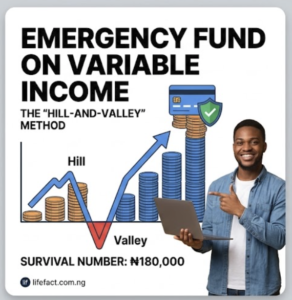
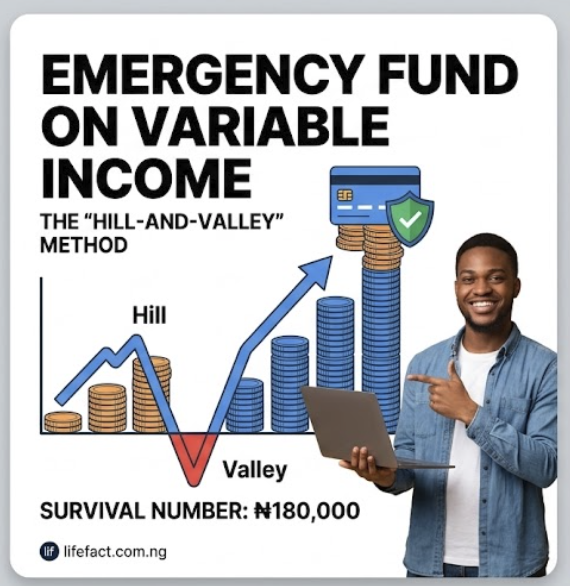
Step 2: Implement the Hill-and-Valley Strategy When earnings fluctuate, manage your cash flow using the “Hill-and-Valley” method:
-
High Months (Hills): When you earn above your average income, cap your spending at your baseline number. Deposit 70% of the surplus directly into your emergency fund and allocate 30% to short-term savings or business reinvestment.
-
Low Months (Valleys): Draw only what is necessary from your buffer to match your baseline expenses, keeping your lifestyle consistent without incurring high-interest debt.
Step 3: Keep the Funds Accessible, Not Idle Your emergency fund must be liquid, but leaving it in a standard checking account makes it vulnerable to impulse spending. Place it in a high-yield savings account (HYSA) or a low-risk money market account that allows withdrawal within 24 to 48 hours while earning compound interest.
Conclusion Building a financial safety net on an unpredictable income isn’t about saving massive sums at once; it’s about discipline during high-revenue cycles. By establishing your baseline expenses and managing cash flow systematically, you protect your long-term stability against unexpected income drops.